
Imaging this situation: You purchased a video game and really enjoy it. You may even invest something in becoming a great player. Then, suddenly, the game’s developer shuts it down. In the past, you could probably play it offline or on private multiplayer sessions, but increasingly, games are cloud-based and require backend infrastructure to run at all.
That can be a huge bummer. A massive one. It’s like many things in digital life. Stuff gets sunset. A lot of people were sad to see AIM die, and there were certainly people who still relied on it. Perhaps you were one of the few who really loved the Metaverse. Now it’s being shut down too. The same happened to a huge number of other services. GeoCities, MSN messenger, Skype and plenty of others are gone.
There is a legitimate question is to whether providers owe their end users some level of continued support, or at least providing some kind of open source or third party option for support of deprecated software and IT infrastructure. There is already a mechanism to enforce this, for those who take it seriously: contractual obligations for ongoing support or graceful sunsetting and be built into agreements, but rarely are.
But where does that leave video games?
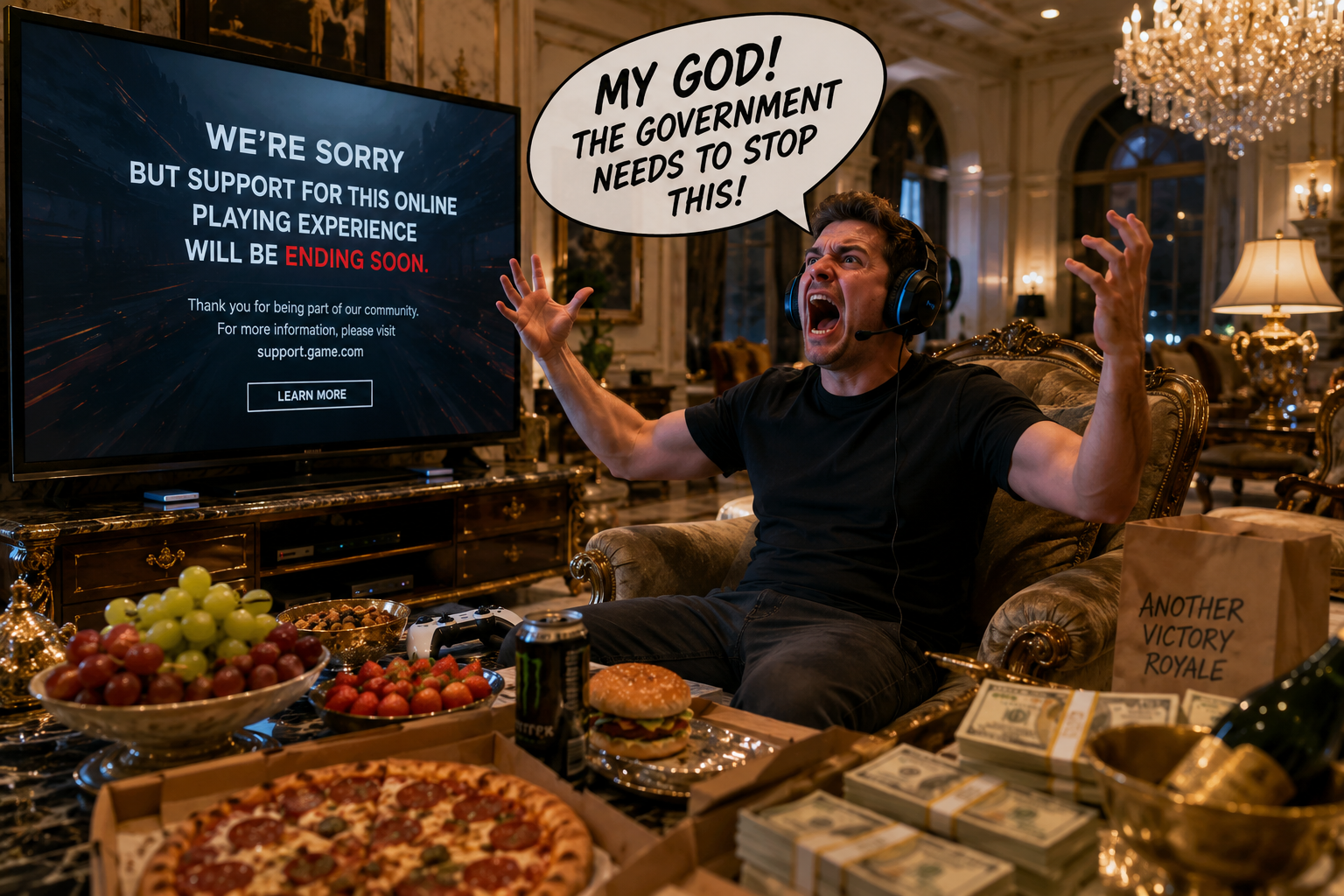
As mentioned, this can absolutely happen with video games, but that would seem to be one the least concerning examples. After all, video game developers can’t really be expected to provide the support for old games forever. They are private organizations and they exist for entertainment purposes. They may well find that old game infrastructure operates at a net loss and cannibalizes new game sales. There are also times that a game just is not that successful. Even with a few dedicated fans, many games just fail in the market.
There’s also the issue of video games as a form of artistic expression. If the game developer really has created something in their vision, there’s an argument that they should maintain creative control over its destiny, even choosing to shut it down when it is still popular, the way that Jerry Seinfeld took his show off air before it began to fade.
Well California feels differently, and I have to call this what it is: the most first world problem I have ever seen in my life. Because, while we can go around in circles endlessly, debating whether it’s not fair to the consumer or whether the producer should have greater rights, one thing is undeniable: these are video games.
A bill focused on maintaining long-term playable access to online games has passed out of the California Assembly’s appropriations committee, setting up a floor vote by the full legislative body. The advancement is a major win for Stop Killing Games‘ grassroots game preservation movement and comes over the objections of industry lobbyists at the Entertainment Software Association.
California’s Protect Our Games Act, as currently written, would require digital game publishers who cut off support for an online game to either provide a full refund to players or offer an updated version of the game “that enables its continued use independent of services controlled by the operator.” The act would also require publishers to notify players 60 days before the cessation of “services necessary for the ordinary use of the digital game.”
As currently amended, the act would not apply to completely free games and games offered “solely for the duration of [a] subscription. Any other game offered for sale in California on or after January 1, 2027, would be subject to the law if it passes.
Battle of the interest groups
This week’s 11–2 committee vote to advance the Protect Our Games Act is being trumpeted by Stop Killing Games (SKG), the UK-based player advocacy group that was formed after the 2024 shutdown of Ubisoft’s The Crew. SKG wrote last month that it “advised on the drafting” of the bill before it was first introduced by Assemblyman Chris Ward earlier this year.
“Back shortly before Christmas, when I flew to the US to help set up SKG-US, I didn’t expect us to get this far this quickly,” SKG’s Monitz Katzner wrote on Reddit after the committee vote. “It has been an honor to take part in drafting this bill on behalf of the SKG community: gamers, developers, and publishers alike.
In a formal statement of support for the bill sent to the California legislature, SKG wrote that “there is no other medium in which a product can be marketed and sold to a consumer and then ripped away without notice… As live service games rise in popularity for game developers and gamers alike, end-of-life procedures are essential tools to ensure prolonged access to the games consumers pay to enjoy.”
Must absolutely every problem in the world, however small, however petty, however first-world and non life critical, be addressed with legislation?
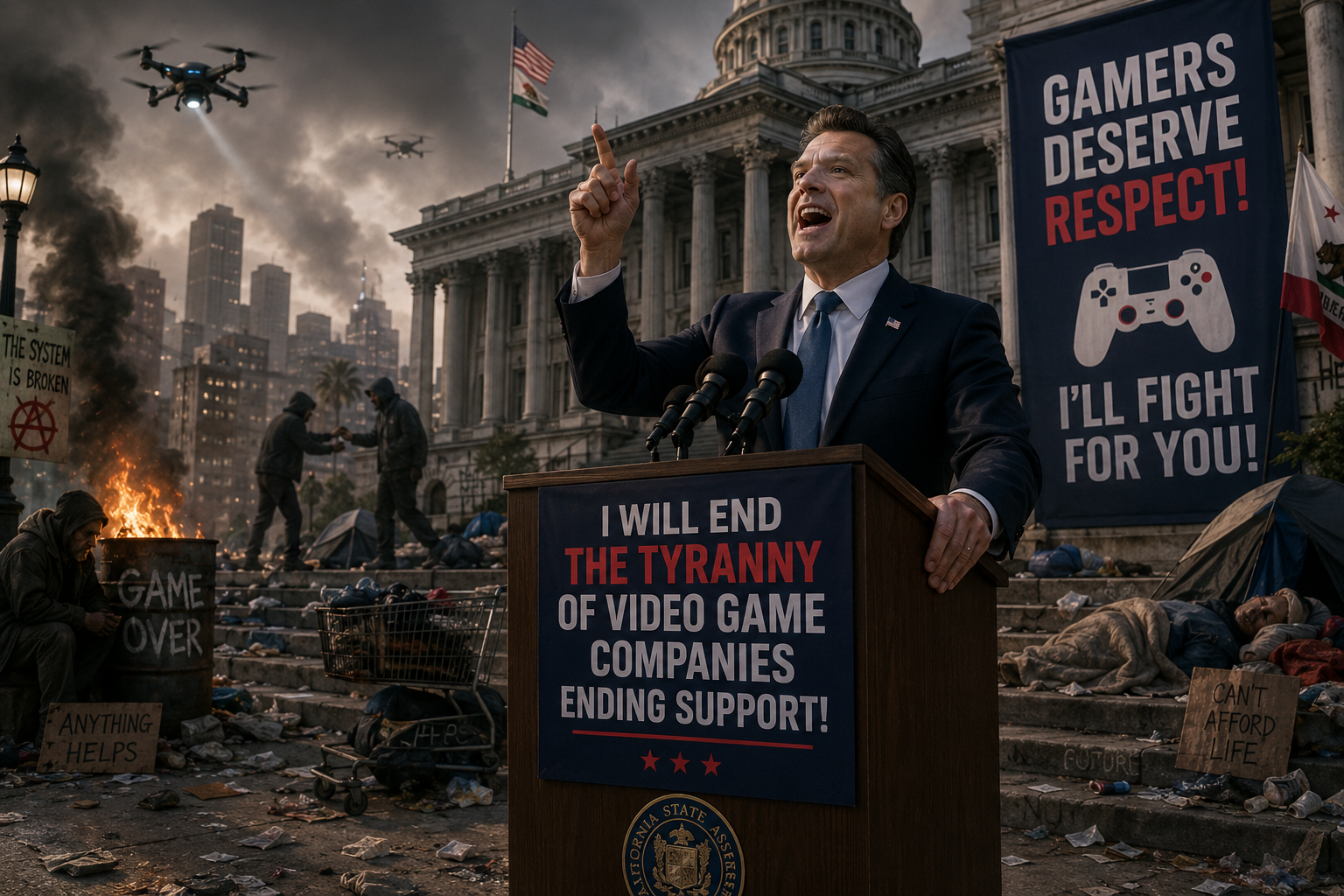
Lets be clear on something: it’s not okay for any product developer to offer you a product, with strong implications that it be durable, only to end support after you have expended good money on it. There are already ways that this can be fought with existing consumer protection law. It’s hit or miss to be sure, but that’s likely because the system has never really saw losing fifty dollars over a video game to be a cause worth taking up arms for. At this point, the best recourse might be to file a class action lawsuit on behalf of the buyers of the game. As stated, that could be hit or miss, but nobody ever really considered this a problem of such magnitude as to require special legislation…until now.
Of course, I should state for the record: I hate vendor lock in, false promises of support, poor product updates and planned obsolesce more than anyone else. However, the Entertainment Software Association has a valid point when they say “A legal requirement to keep games playable indefinitely could place publishers in an impossible position—forcing them to renegotiate licenses indefinitely or alter games in ways that may not be legally or technically feasible.” That’s the real problem here. There is also the question of just overreach into a highly innovative industry.
It’s not just California either. The EU parliament decided it was a good idea to devote time to this movement, despite the war in Ukraine, the war in Iran, trade, refugees…
Government restrictions rarely work well on fast moving sectors like video games. There are likely ways to get around this. This is going to require a whole new administrative layer and taxpayer funding, even if it’s a relatively minor law. There is also the distinct stench of the “California Effect.” California is the largest state economy and larger than most national economies. If you sell a product in the US, you must meet California requirements or not sell it in the largest market, and if you do inadvertently sell something cross state lines, they are draconian.
For this reason, California is able to bully the rest of the United States into obeying California law whether or not anyone is actually interested in doing business in California. So, despite the fact that I personally live in Connecticut and often do business in New York, if I were to offer a video game online, I’d have to follow California’s rules, because it’s too difficult to block the state of California.
The Most Extreme Example I have Ever Seen of a First World Problem
Seriously, just listen to the founder talk about the fight for video game rights…
California has a massive homeless crisis. Let me say that again. A massive homeless crisis. One so large, if you have not been to California, you’d be shocked that such a complete dissolution of social order could happen. While Gavin Newsom is trying to get you to vote for him for president, the state of California is experiencing a complete social breakdown, with the foundations of civil society crumbling under the weight of fentanyl addiction, housing unavailability and crime. It’s no longer just a humanitarian crisis. Entire sections of once great cities have become too dangerous to do business in.
And yet here it is: A group lobbying to solve the video game shutdown problem by making it illegal.
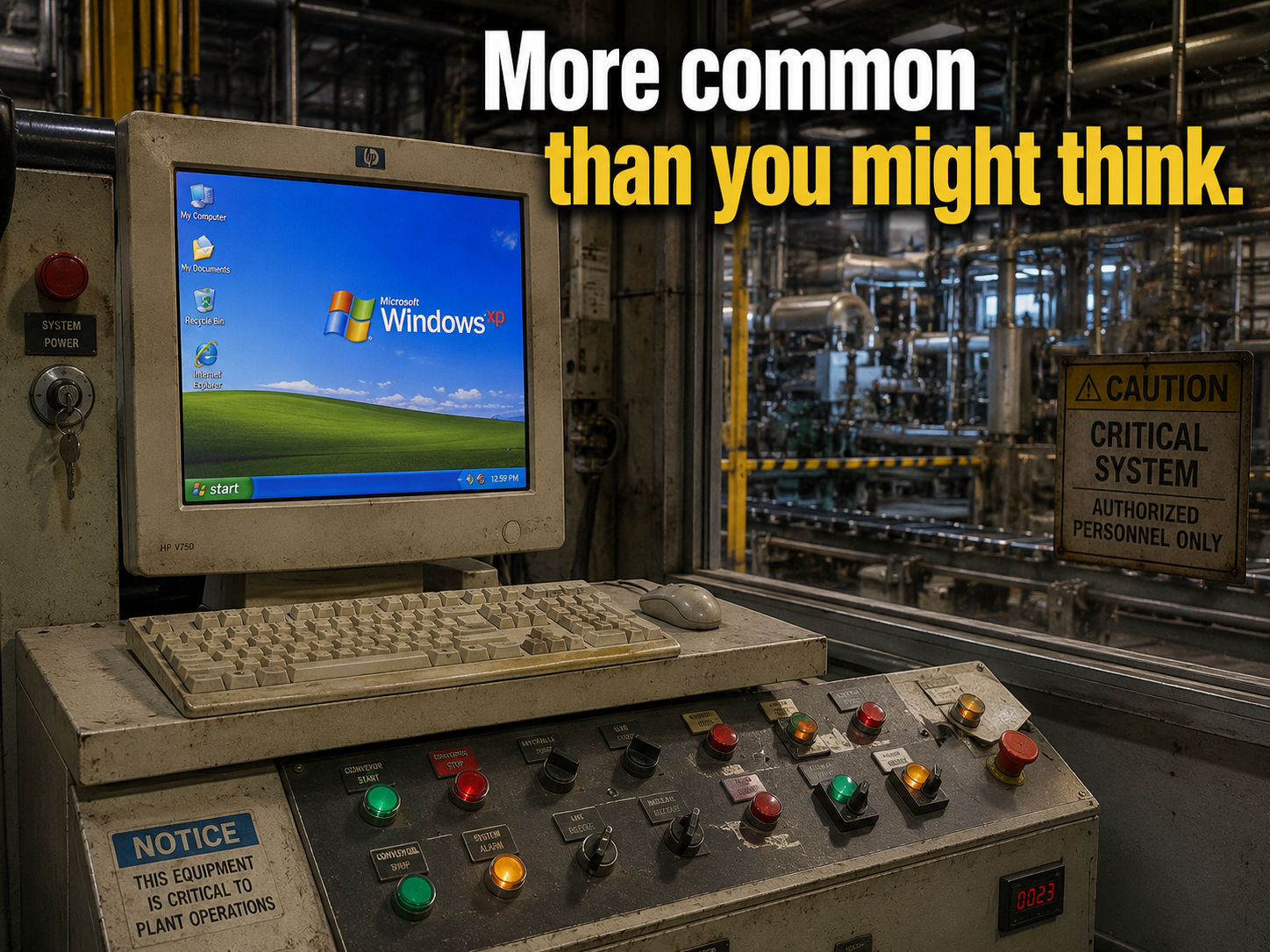
What is most ironic is that the problem of software not being fully supported and vendors controlling tech stacks is a real one, and any legislature in their right mind would focus on the enterprise problems, the security holes it leaves, the way government agencies end up with unsupported software. That’s a very real problem, and some EU countries seem aware of it. But in the US? We really care a lot that your fun game doesn’t get shut down, because then you’d have to find another game.
(Also, there are a lot of healthcare problems, state funding issues, law enforcement, cyber security regulation… Other stuff that does matter. Just pointing that out)
What is the real solution?
There is something to be said for video game preservation. Super Mario Brothers 1 and Pacman absolutely belong in the Library of Congress. They are cultural icons. There’s also a good argument that entertainment products matter to people and should be preserved. This is certainly a solid argument for the right to own media. This has become more acute in recent years, because in the past, buying an album or a movie felt permanent, and now the service provider can yank it or require a greater fee to access the media we grow attached to.
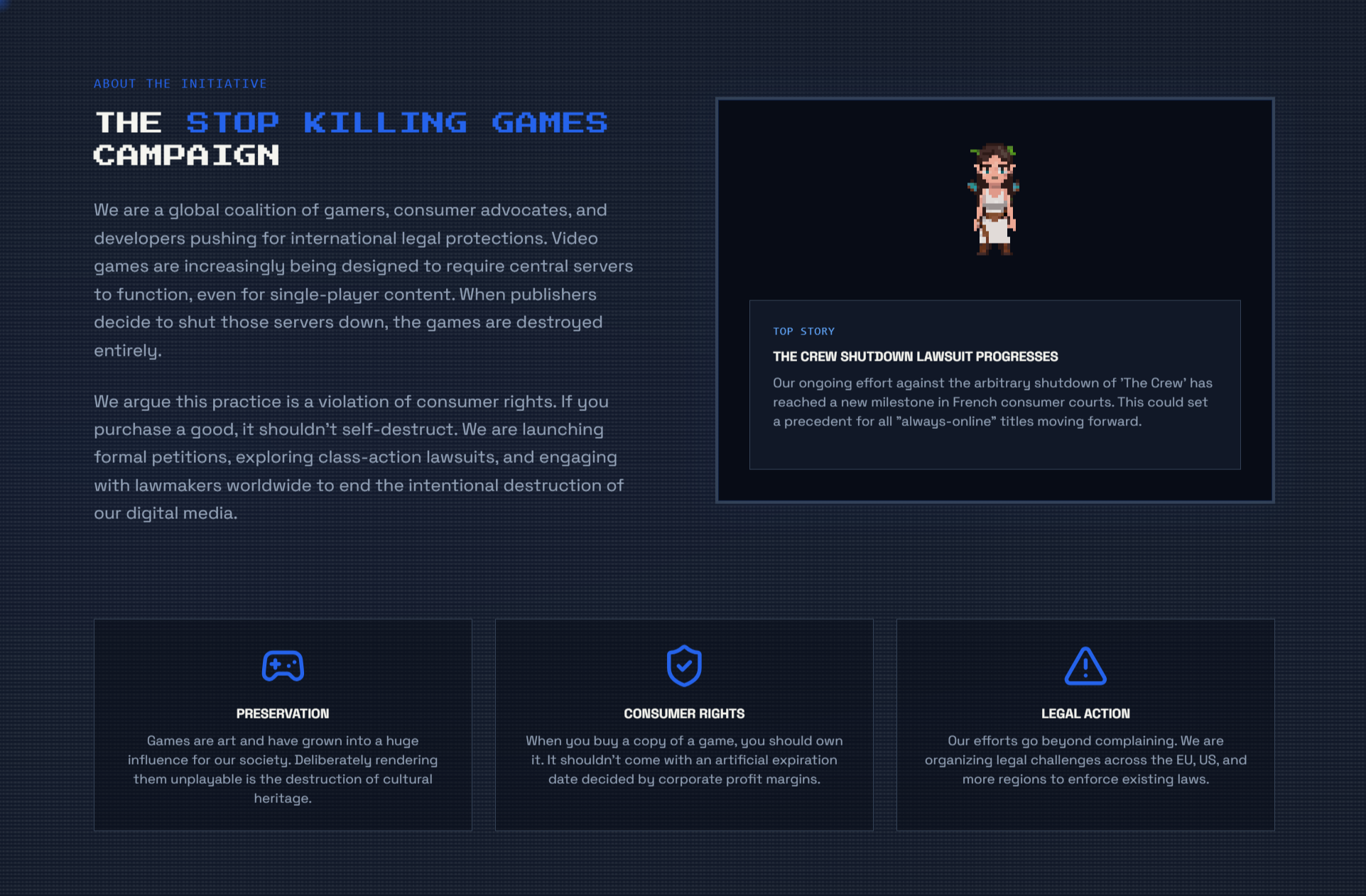
Stop Killing Games makes no bones about what their mission is. They would like legislation to allow governments to dictate the terms by which online gaming can be operated.
There are ways of trying to combat this in the market and with grass roots activism. Market forces can help and makers will reverse course with a strong enough outcry. There are open source efforts to provide clones or ongoing support to beloved products that have been taken off market. Open source game servers exist. There is also the potential to create a stronger market expectation for ongoing support. These efforts may not be perfect, but they can get results.
From a legislative standpoint, the definition of fair use in reverse engineering, and “right to repair” laws matter. There is a good argument for greater teeth in enforcing contracts for ongoing support and greater sovereign ownership. That said, in any free market, there is always an element of consumer demand and preference. The unfortunate truth is that many do not consider the long term implications. We absolutely see this in enterprise IT: customers and clients could demand better and ask for guarantees of support up front, but rarely do.
I strongly support efforts to reduce the tolerance for vendor lock-in and product better expectations for open source standards, right to repair, ongoing support and better owner right. We should be having a conversation about vendors discontinuing support for products and shutting down cloud services.
But video games…. really?
You can check out the group “Stop Killing Games” site. They take their work very seriously.
Godspeed, brave activists!
If you have already been working with Suno AI generated tracks, you might have noticed the detection of suno distortions that degrade the overall audio sound. fix suno audio quality Conveniently, tools like the suno artifact processor and suno audio enhancer can allow remove these suno AI imperfections efficiently, enhancing the sharpness and making the voice come across more natural. There are even zero-cost online utilities that act as an ai music optimizer to correct frequent issues and restore suno ai tracks rapidly.
For those finding it hard to get top-tier results, using a suno improvement tool can significantly elevate the mix quality by fixing suno audio fidelity problems and completing the resulting mix. If you need to explore some proven solutions for suno audio artifact elimination or want to find out how to make suno vocals sound human, read this resource —it details all details from suno artifact solutions to advanced ai music vocal improvers.